17 November 2026
The Sweet Tradition of Dutch Stroopwafels and How to Enjoy Them
Presented by @betterbites
A stroopwafel is a thin, round waffle cookie made from two crisp layers of batter pressed together with a sweet, caramel-like syrup filling in the middle. Originating in the Netherlands in the late 18th or early 19th century, this treat has become a beloved part of Dutch cuisine. Traditionally, a stroopwafel is placed over a hot cup of coffee or tea so the steam softens the syrup and warms the cookie, making it soft and chewy rather than brittle. The result is a comforting, slightly gooey snack that pairs perfectly with a warm drink.
Stroopwafels are not just a cookie; they are a small cultural ritual. The process of letting the steam work its magic turns a simple snack into a moment of patience and anticipation. The waffle itself, once baked, is split horizontally while still warm, and the syrup is spread evenly before the halves are pressed back together. This method ensures that every bite carries that signature sweetness.
What Makes a Stroopwafel Different From Other Waffle Cookies
Unlike thick, fluffy waffles or dense cookies, a stroopwafel is thin and crisp on the outside with a soft, chewy center. The key is the caramel syrup, which is cooked to a specific consistency so it stays pliable at room temperature. When you bite into a fresh stroopwafel, the outer layers crack slightly, and the syrup stretches, creating a texture that is part crunch, part chew. Many people describe it as a waffle disc filled with a buttery, caramel filling that melts in your mouth.
The texture also depends on how the stroopwafel is stored. In humid conditions, the syrup can make the waffle soft all over; in dry air, it may become more brittle. That is why the traditional method of warming it over a drink is so important: it restores the ideal balance of crisp and soft.

The Traditional Way to Enjoy a Stroopwafel
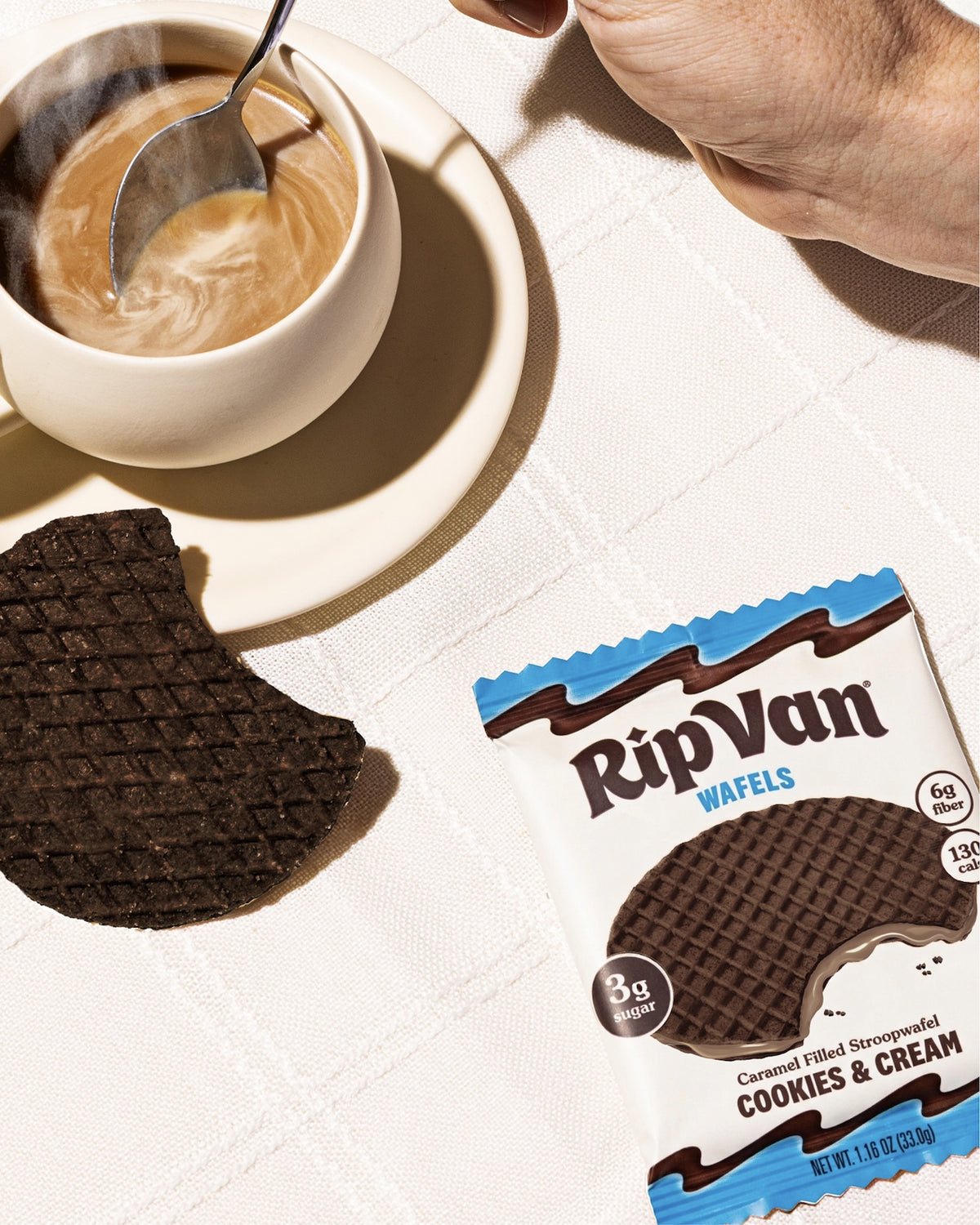
The most common and time-honored way to eat a stroopwafel is to place it on top of a freshly poured cup of coffee or tea. The heat and steam from the drink rise through the waffle, softening the syrup inside and warming the whole cookie. After a minute or two, the stroopwafel becomes flexible, and the filling turns into a warm, gooey caramel. You then lift it off the cup and eat it like a flat cookie, often with a sip of the drink to balance the sweetness.
Some people prefer to eat a stroopwafel plain, especially if it is fresh from the bakery. In that case, the syrup is already soft, and the waffle is at its best. Others like to crumble it into their coffee or tea, letting the pieces dissolve into the drink for a sweet, caramel-flavored beverage. This method is less traditional but common among those who enjoy a bit of extra flavor in their cup.
There is also a custom of serving stroopwafels with a dollop of whipped cream or alongside a scoop of vanilla ice cream. While not strictly Dutch, these variations show how the cookie adapts to different tastes and occasions. The key is that the stroopwafel is always meant to be enjoyed warm or at room temperature, never cold from the fridge, because the syrup hardens and the waffle loses its characteristic texture.
How Stroopwafels Are Made
Making a stroopwafel from scratch involves a special waffle iron that presses the batter into thin, round discs. The batter itself is a simple mix of flour, butter, sugar, eggs, and yeast, which gives the waffle a light, airy structure. Once baked, the waffle is immediately sliced in half horizontally with a knife, revealing the soft interior. A generous layer of caramel syrup, made from brown sugar, butter, and cinnamon, is spread on one half, and the other half is placed on top. The warm waffle is then pressed together so the syrup bonds the two layers.
Commercial production often uses similar methods but on a larger scale. Some brands, like those found at ripvan.com, focus on lower-sugar versions that still deliver the chewy center and added fiber, making the treat more accessible for those watching their sugar intake. The process remains the same, but the ingredients are adjusted to reduce sweetness without sacrificing texture.
Where to Find Stroopwafels and How to Choose
Fresh stroopwafels are widely available in Dutch markets, bakeries, and specialty stores around the world. When buying, look for waffles that are not overly dry or cracked. The syrup should be visible at the edges, and the waffle should feel slightly flexible, not hard. Packaged stroopwafels often come in boxes and can be stored for weeks, but they are best eaten within a few months for optimal flavor.
For those who prefer a lower-sugar option, many brands now offer versions with less sugar or added fiber. The site ripvan.com, for example, provides such options while maintaining the traditional chewy center and waffle disc shape. These alternatives allow people to enjoy the cultural tradition without the usual sugar load, which can be helpful for managing energy levels or dietary preferences.
Pairing Stroopwafels With Drinks and Desserts
While coffee and tea are the classic partners, stroopwafels also pair well with hot chocolate, chai, or even a warm glass of milk. The sweetness of the cookie complements the bitterness of coffee and the tannins in tea, creating a balanced flavor experience. Some people enjoy them with a glass of cold milk or a scoop of vanilla ice cream, where the contrast between warm syrup and cold dairy adds another dimension.
In the Netherlands, it is common to serve stroopwafels during breaks at work, at family gatherings, or as a weekend treat. They are also a popular souvenir for tourists, who bring them home as a taste of Dutch cuisine. The cookie's portability and long shelf life make it an easy gift, though the best experience is always fresh.
Storing and Reheating Stroopwafels
To keep stroopwafels at their best, store them in an airtight container at room temperature. Avoid refrigeration, as moisture can make the waffle soggy and the syrup grainy. If the waffle becomes too hard, you can revive it by placing it over a warm cup of coffee or tea for a minute or two. Alternatively, you can microwave it for a few seconds, but be careful not to overheat it, as the syrup can burn or the waffle can become too soft.

For longer storage, stroopwafels can be frozen, but they should be wrapped tightly to prevent freezer burn. When ready to eat, let them thaw at room temperature and then warm them as usual. The texture may not be identical to fresh, but it will still be enjoyable.
Why Stroopwafels Remain a Beloved Treat
The enduring appeal of stroopwafels lies in their combination of simplicity and ritual. They are not just a snack; they are a moment of care, a pause in the day. The act of balancing a waffle on a cup, waiting for the steam to work, and then taking that first warm, sweet bite is a small pleasure that has survived for centuries. Whether you eat them the traditional way or explore modern variations, stroopwafels offer a taste of Dutch hospitality and a reminder that good food often comes from humble ingredients and thoughtful preparation.